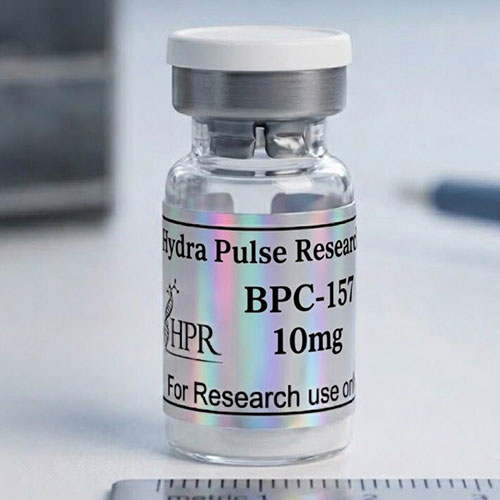
Across published animal-model literature, BPC-157 has been characterized as a stable peptide that resists hydrolysis in gastric fluid, an unusual trait that has driven research into both injected and orally administered protocols. Studies have explored its role in modulating the nitric oxide system, upregulating growth factors, and accelerating the healing of damaged tissues including muscle, tendon, ligament, and intestinal mucosa. Researchers exploring inflammation pathways, angiogenesis, and gut-brain axis signaling frequently include BPC-157 in their experimental design.
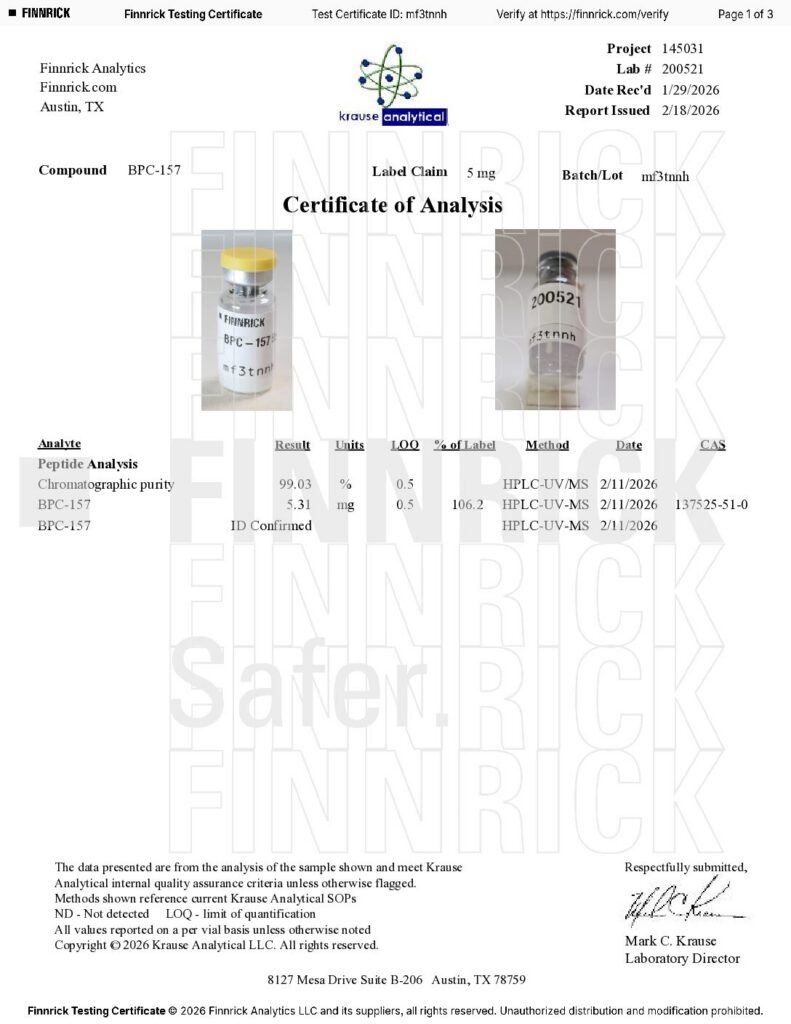
Each vial of Hydra Pulse Research BPC-157 is manufactured in an ISO-grade facility, lyophilized for long shelf life, and shipped with a Certificate of Analysis (COA) detailing peptide identity, mass spectrometry confirmation, and HPLC purity. We do not bulk-source from unknown intermediaries — every batch is tested before release.
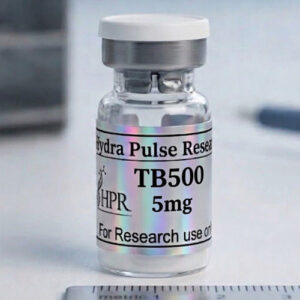
Common research applications include: in vivo investigation of soft-tissue repair kinetics, in vitro assays of fibroblast and tendon-cell migration, gastrointestinal mucosal protection studies, and combinatorial work pairing BPC-157 with TB-500 or growth-factor peptides. Researchers studying connective tissue often use BPC-157 alongside collagen-stimulating compounds to evaluate synergistic effects on extracellular matrix remodeling.
Hydra Pulse Research recommends storing lyophilized BPC-157 between -4°F and -20°F for long-term stability. Once reconstituted with bacteriostatic water, peptide solutions should be refrigerated and used within four weeks for optimal experimental consistency. Our packaging includes tamper-evident seals and silica desiccant to protect the lyophilized powder during transit.